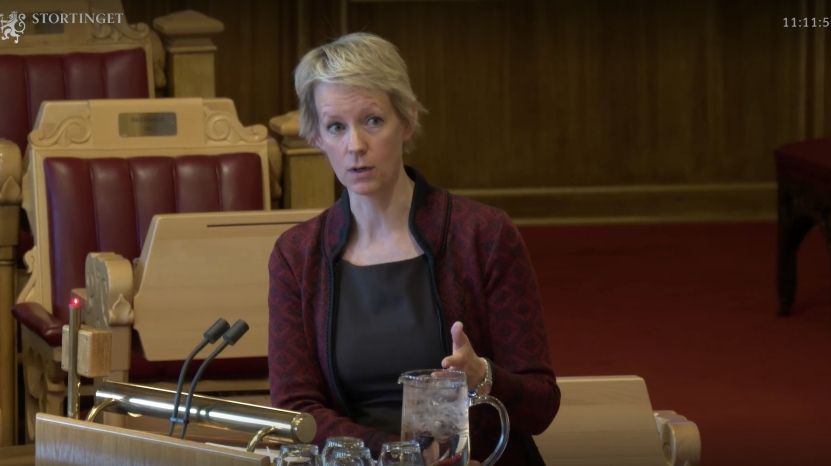
Stortinget presset utenriksministeren om EU og EØS
Espen Barth Eides EU/EØS-redegjørelse ble debattert i Stortinget tirsdag.
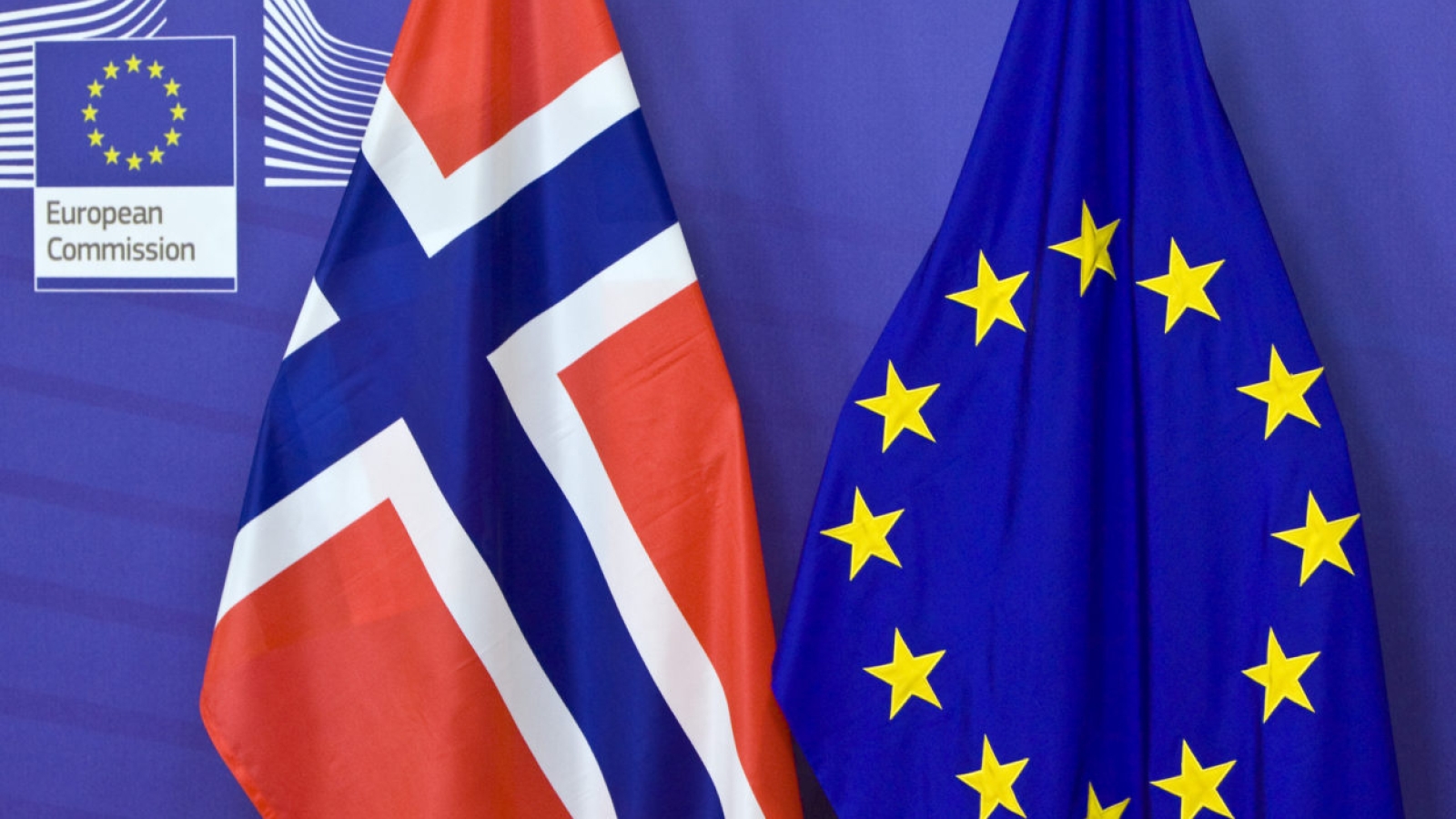
Since Norway rejected European Union (EU) membership in a 1994 referendum, eurosceptic sentiment has remained strong, with a majority against joining for the past 15 years. EU membership is not an issue ahead of the parliamentary election on 13 September. What is up for discussion is the agreement on the European Economic Area (EEA), making Norway part of the single market, and alternatives to this agreement. There is growing concern about Norway’s subordinate relationship with the EU, and trade unionists are critical due to the liberalised market and free movement of underpaid labour. The parties critical of the EEA Agreement—the Red Party, Socialist Left Party and Centre Party—are expected to make significant gains in the election. There will still be a majority in parliament in favour of the EEA, but also a historically strong minority opposed to it. Furthermore, research by No to the EU indicates that there will be a clear majority that is open to rejecting controversial EEA legislation.
© Hentet fra Brexitcentral.com
Espen Barth Eides EU/EØS-redegjørelse ble debattert i Stortinget tirsdag.
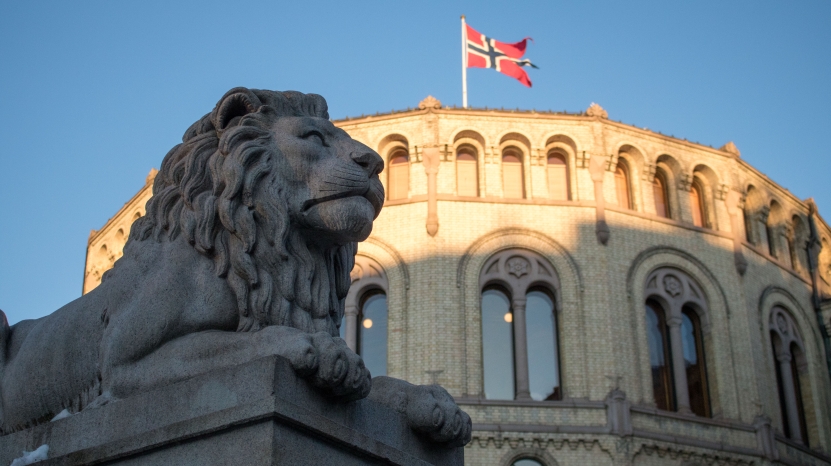
Norway’s relationship to the EU will in particular be controversial on matters related to tariffs, labour rights and the electricity market.

The Norwegian parliament has a majority opposed to EU membership after the recent election.

Grønlandsleiret 31
0190 Oslo
neitileu@neitileu.no
Telefon: 22 17 90 20